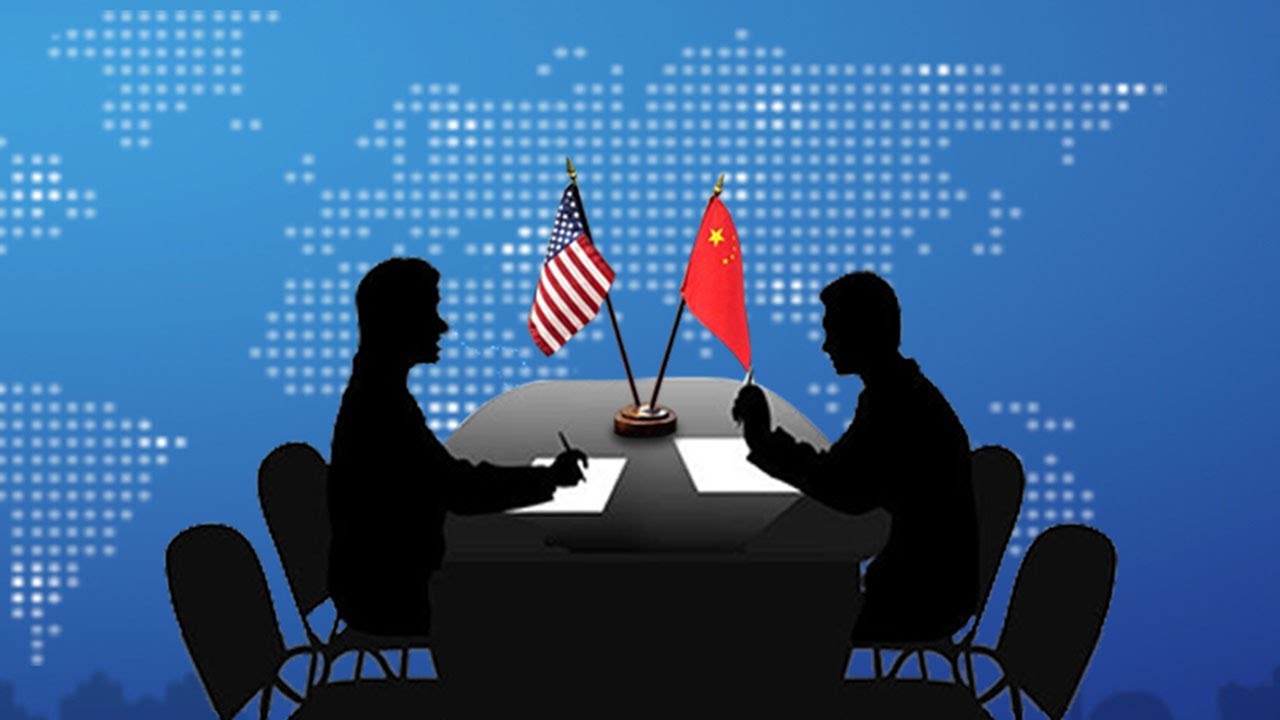
International diplomacy plays a critical role in maintaining peaceful relationships between nations. Diplomatic dialogue allows governments to negotiate agreements, resolve disputes, and cooperate on global challenges such as climate change, trade regulation, and security issues.
Diplomatic institutions create platforms where representatives from different countries can exchange ideas and discuss policies. International summits and bilateral meetings help governments understand each other’s priorities and find common solutions to complex problems.
Economic diplomacy has become particularly important in the modern world. Governments often negotiate trade agreements and investment partnerships that support economic development and strengthen international cooperation.
Cultural and educational exchanges also support diplomatic relations. Programs that encourage student exchanges, academic collaboration, and cultural partnerships help societies build mutual understanding and respect.
Technology has transformed diplomatic communication as well. Governments now use digital platforms to coordinate policy discussions and share information quickly across borders.
Effective diplomacy requires patience, negotiation skills, and a strong understanding of international law. Diplomats must balance national interests with the goal of maintaining peaceful international relationships.
As global challenges continue evolving, diplomatic cooperation will remain essential for maintaining stability and encouraging constructive international dialogue.