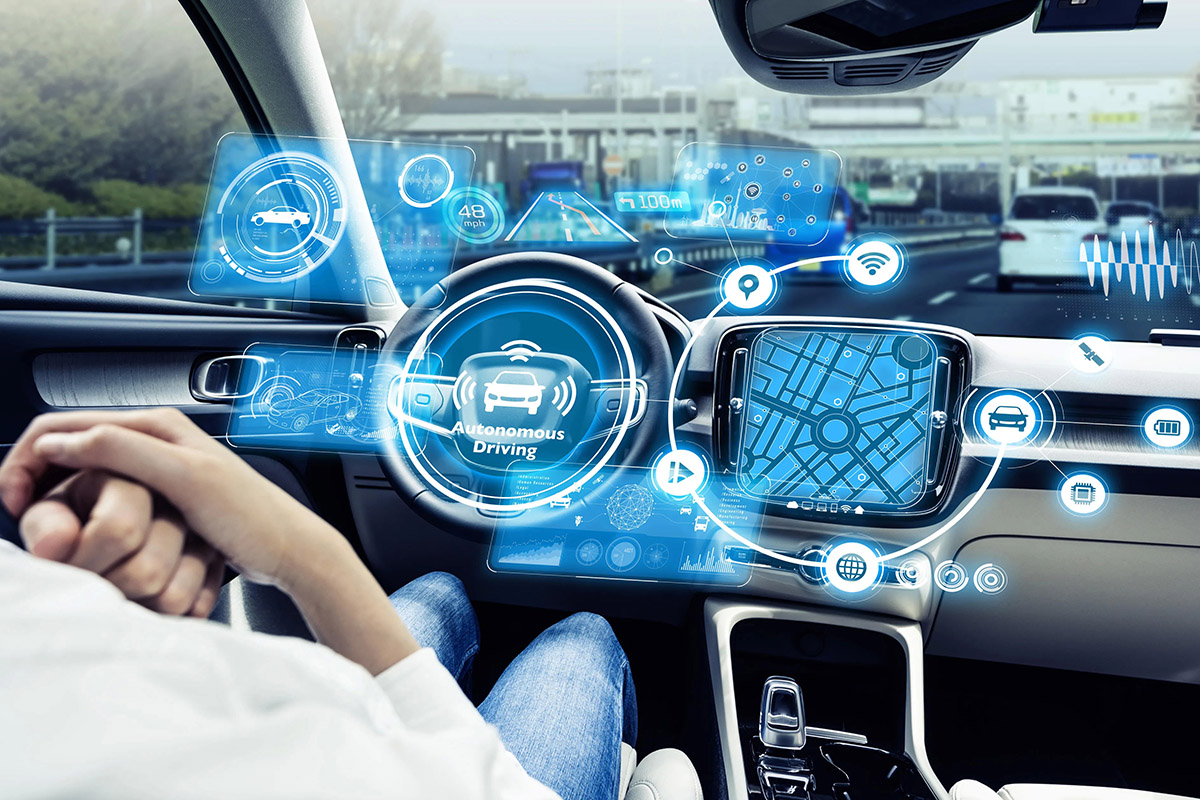
Autonomous driving technology represents a major transformation in the automotive industry. Engineers are developing intelligent vehicle systems that allow cars to operate with minimal human input.
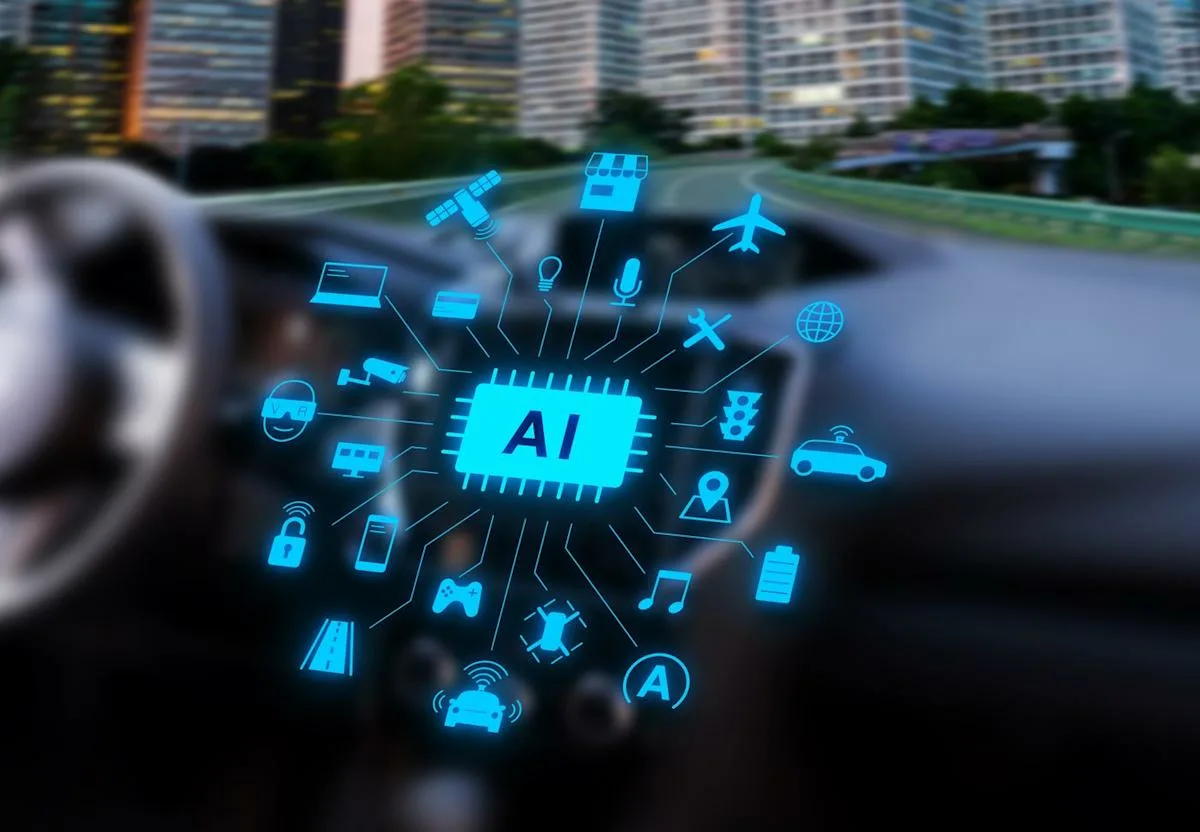
Self-driving vehicles use a combination of sensors, cameras, radar systems, and artificial intelligence algorithms. These technologies allow vehicles to analyze road conditions and respond to traffic situations in real time.
Driver assistance systems already exist in many modern vehicles. Features such as lane-keeping assistance, adaptive cruise control, and automatic braking improve safety and reduce driver fatigue.
Autonomous vehicles may significantly reduce traffic accidents because human error is responsible for many road incidents. Intelligent systems can respond faster to unexpected hazards.
Urban transportation systems may also benefit from autonomous mobility solutions. Self-driving taxis and delivery vehicles could improve traffic efficiency and reduce congestion in busy cities.
Researchers continue testing autonomous vehicles under various conditions to ensure safety and reliability before widespread adoption.
As artificial intelligence technology advances, autonomous driving systems will play an increasingly important role in future transportation networks.