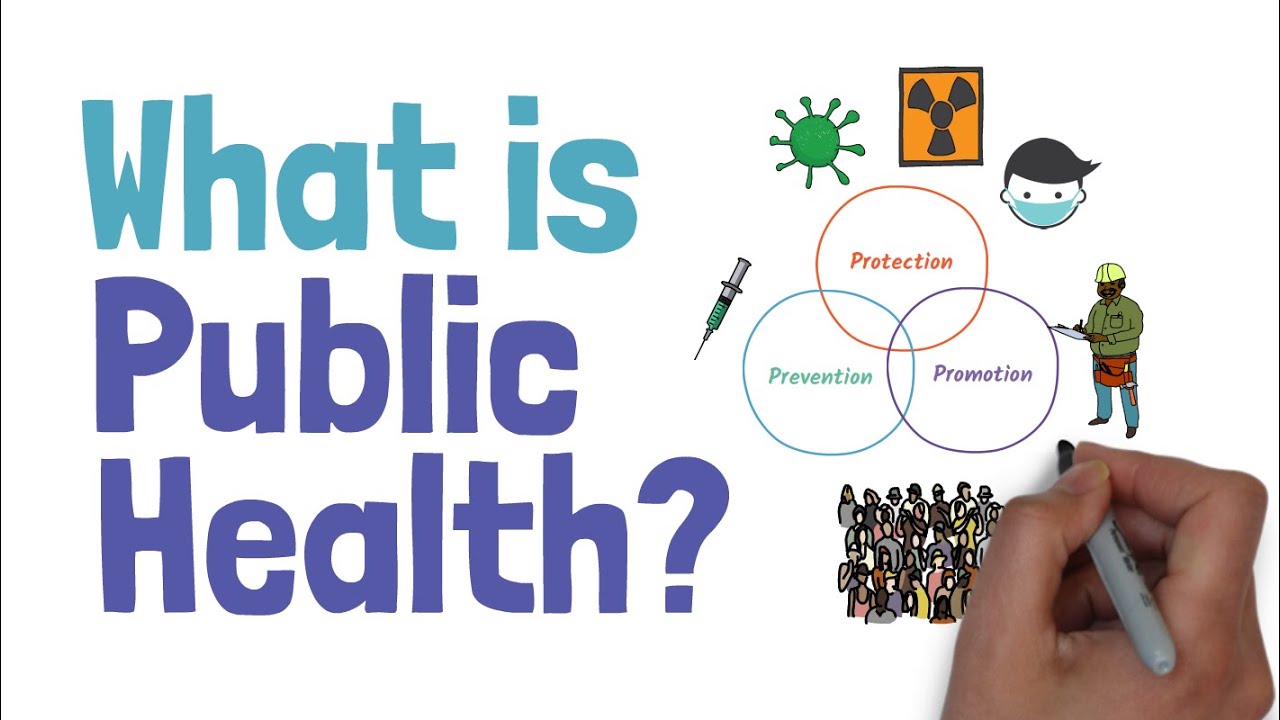
Public health systems focus on protecting communities from disease while promoting healthy living conditions. Governments and healthcare organizations implement programs that prevent illness and improve overall population health.
Vaccination campaigns remain one of the most effective tools for disease prevention. Immunization programs protect individuals from infectious diseases and reduce the spread of illnesses across communities.
Public health policies also address environmental factors that influence health outcomes. Clean water supplies, safe food systems, and pollution control measures help reduce health risks.
Health education programs encourage individuals to adopt healthier lifestyles. Balanced nutrition, regular exercise, and preventive medical checkups contribute to improved well-being.
Digital technologies now support public health monitoring. Health data systems track disease outbreaks and allow authorities to respond quickly to emerging threats.
International cooperation also supports public health initiatives. Global organizations coordinate research, share medical knowledge, and assist countries during health emergencies.
Strong public health systems improve life expectancy and reduce healthcare costs by focusing on prevention and early intervention.